Table of contents
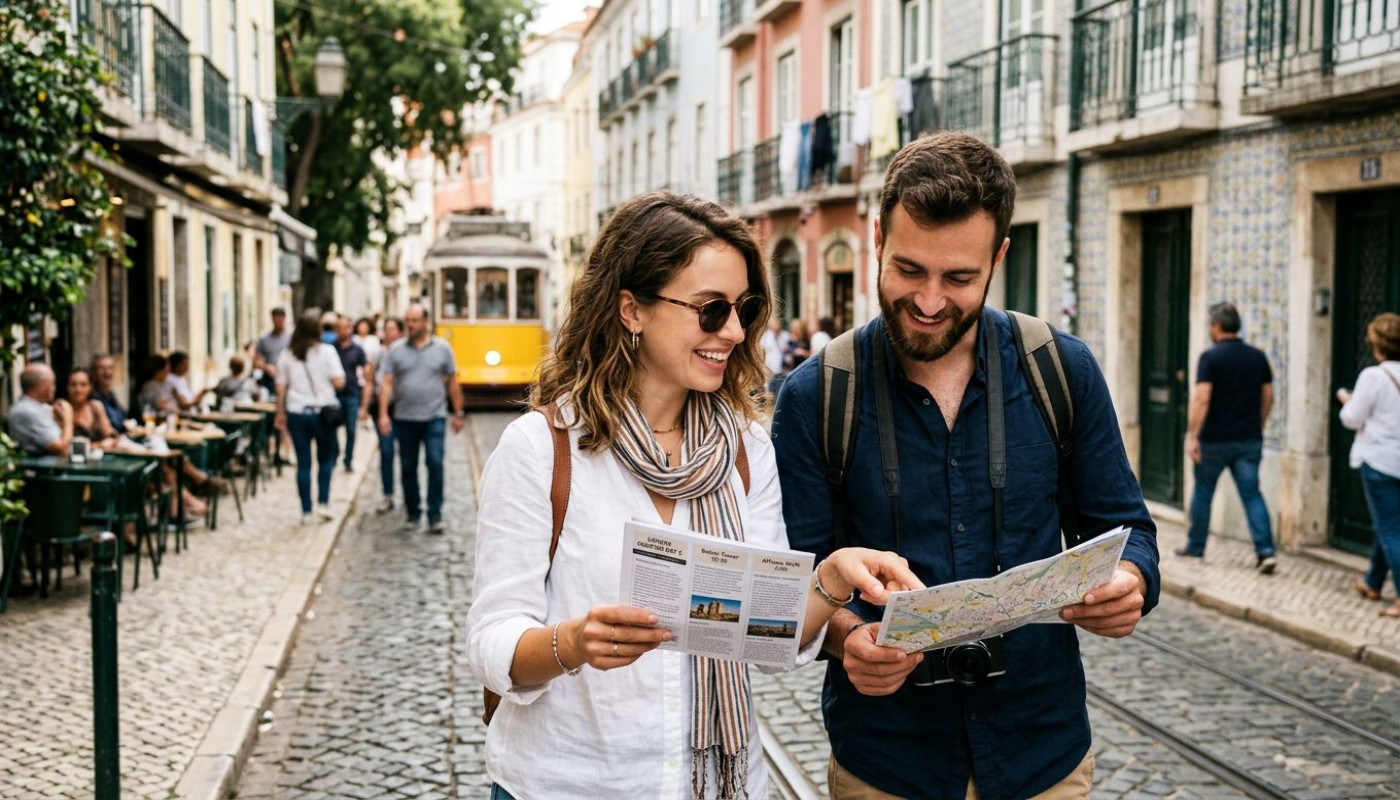
Visitors arrive in Lisbon expecting trams, tiles, and miradouros, and they get them, but the surprise is how quickly the city pulls you off the postcard and into daily life, where hilltop trails meet working neighborhoods, and a quick ferry ride turns into an afternoon that feels far from the capital. With tourism pressure still high across southern Europe, locals are also rethinking where they spend their weekends, and some of the most rewarding activities now sit just outside the usual circuit, stitched together by transit, footpaths, and a culture of lingering.
Lisbon’s best hikes start on the tram line
Think you need a car for a “real” hike? In Lisbon, the first leg can be a metro ride, a suburban train, or even a tram climb that drops you straight onto a ridge of viewpoints. The city’s topography is not a backdrop; it is infrastructure, shaping the way people move, exercise, and decompress, and it is why walking here can flip from urban exploration to trail rhythm in a single afternoon. From the higher ground of Monsanto Forest Park, often described as the city’s “green lung,” you can cover long, shaded kilometers without leaving the municipality, and yet the soundscape changes quickly, with birdsong and distant traffic sharing the same air. The park’s network of paths and cycling lanes is extensive, and it has become a practical option for residents looking for daily outdoor time rather than a once-a-month escape.
Then there is the coastline, where the scale changes again. The Cascais line, a commuter route as much as a tourist link, runs parallel to the Atlantic, and it delivers hikers to cliffside walks and beach-to-beach stretches with minimal planning. The famous seaside promenade between Cascais and Estoril is the gentle version, but more demanding routes appear as soon as you angle toward Guincho and the Sintra-Cascais Natural Park, where wind and surf set the tempo, and sandy tracks can turn a short walk into a workout. For locals, the appeal is consistency: trains run frequently, the scenery is reliable, and a hike can be paired with a swim, a coffee, or a sunset meal without complicated logistics.
City streets hide the most original workouts
Forget the polished studio stereotype. Some of the most distinctive “Lisbon workouts” are not classes at all, but habits built into the city’s everyday terrain, and they can catch even longtime residents off guard when they change neighborhoods. The obvious example is stair culture, because Lisbon’s slopes produce stairways that function like outdoor gyms, and residents use them as training grounds, commuting shortcuts, and social spaces all at once. The Calçada do Duque and the steps around Graça and São Vicente are well known, but the point is broader: every district has its own vertical micro-challenges, and discovering them becomes a game of endurance and curiosity.
Water, too, is part of the fitness map. Stand-up paddleboarding and kayaking on calmer stretches of the Tagus have grown as accessible options, especially on days when the city heat makes hill climbs feel punishing. Early mornings and late afternoons bring calmer wind, and the riverfront offers long, flat running and cycling corridors that let athletes keep a steady pace, something Lisbon’s interior streets rarely allow. If you want a single place to compare options, plan routes, and connect activities into a coherent stay, https://www.lisbon-trip.com gathers practical pointers that help turn a list of ideas into a workable schedule, whether you are mixing trails, waterfront sessions, or neighborhood walks.
Ferries turn day trips into local rituals
The fastest way to feel like you have left Lisbon is often not a train, but a boat. Ferries crossing the Tagus operate as public transport, yet they double as an instant reset, and that dual identity is exactly why they have become part of weekend routines. From Cais do Sodré to Cacilhas, the ride is short, but the shift is real: you step off into a waterfront lined with seafood spots, then you climb toward Cristo Rei for one of the most cinematic panoramas of the capital. The viewpoint is famous, but the journey there, through residential streets and small plazas, is what makes the trip feel lived-in rather than staged.
Other crossings open different moods. Boats to Barreiro, Montijo, or Seixal lead to quieter promenades, waterside parks, and a slower tempo that Lisbon proper can struggle to offer during peak seasons. Seixal’s bayfront, for instance, is an easy stroll with wide views back to the city, and it is the kind of place where an unplanned hour turns into an afternoon because the setting invites lingering. For travelers, the ferry system is also a budget-friendly hack: you get skyline drama at commuter prices, and you can combine a crossing with walking loops, seafood lunches, and sunset returns without ever needing a car or a complex itinerary.
Food markets are becoming cultural stages
Lisbon’s markets have always been about groceries, but in recent years several have evolved into something else: cultural stages where food, music, and neighborhood identity collide, and where the city’s current tensions also show up in plain sight. The best-known example is Time Out Market at Mercado da Ribeira, a magnet for visitors that packages the city’s culinary scene into one hall, and it remains a useful entry point for travelers short on time. Yet locals often point elsewhere when they want the market feeling without the crowd crush, because the most interesting experiences now sit in smaller, more neighborhood-driven spaces.
Mercado de Alvalade Norte, for example, speaks to a residential Lisbon, and it can be paired with a walk through avenues that reveal another face of the city, less historic postcard and more mid-century everyday. Mercado de Campo de Ourique, meanwhile, balances local shopping with casual dining, and it often becomes a practical base for exploring nearby streets, bakeries, and bars without needing a rigid plan. These markets matter beyond the plate, because they show how Lisbon is renegotiating public space, with food as the connector, and they are also where you can spot seasonal rhythms, from sardine culture in summer to pastry queues that never disappear. For a visitor, the smartest move is to treat markets not as a single stop, but as anchors: arrive hungry, eat lightly, then use the surrounding neighborhood as the real discovery zone.
Plan it like a Lisbon weekend
Book early for spring and summer, and keep weekday mornings flexible for the most popular viewpoints and riverfront activities. Set a realistic budget for transport, because trains and ferries add up across multiple days, and check whether youth, senior, or multi-ride passes apply. For hikes and water sessions, prioritize lightweight reservations, and lean on public transit to avoid parking costs.
On the same subject