Table of contents
Overcrowded hotspots, tight schedules and a blur of “must-sees” have long defined modern tourism, but in 2024 and 2025, a different travel logic has been gaining ground as rail use rebounds in Europe, remote work keeps reshaping time off and destinations from Amsterdam to Bali tighten rules on overtourism. The question many travellers now face is simple: do you want a trip you can recount, or a trip you can remember? Slow travel bets on the latter, trading velocity for depth, and turning itineraries into lived experiences.
When the schedule stops running your trip
What if the most valuable hour is unplanned? Slow travel starts with a basic reversal of priorities: instead of filling every day to justify the flight, you let the place set the pace, and you build around what is actually feasible without constant transit, queuing and decision fatigue. That matters because conventional “city-hopping” itineraries have hidden costs, not just in money but in attention, as frequent check-ins and check-outs fragment the day and compress meals into whatever sits near the next attraction. The result is often a travel paradox: you cover more ground, yet bring home fewer memories, because the brain encodes novelty better when it has time to attach it to context, routine and emotion.
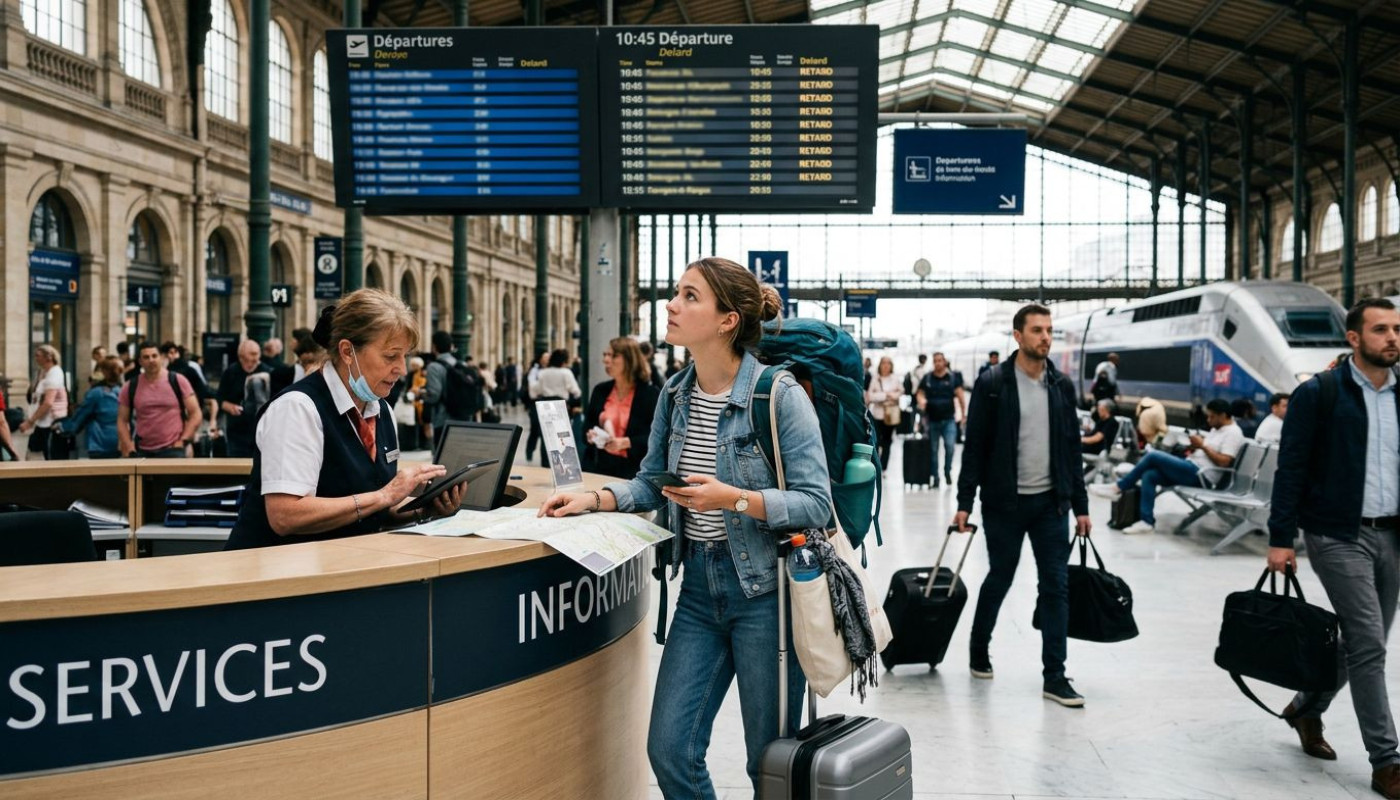
The shift is also practical. Transport time is rarely counted honestly, and it is the biggest thief in ambitious plans: airport transfers, security, delays, late baggage and the inevitable “buffer” that eats into mornings and evenings. Even on high-speed rail corridors, connection time and last-mile travel add up, and in sprawling cities, a single cross-town journey can cost more than a museum visit. Slow travel reduces those transaction costs by staying longer in fewer bases, then exploring outward in day trips or neighbourhood loops, which also makes it easier to adjust if weather turns, a reservation falls through or you simply find a street you want to walk twice.
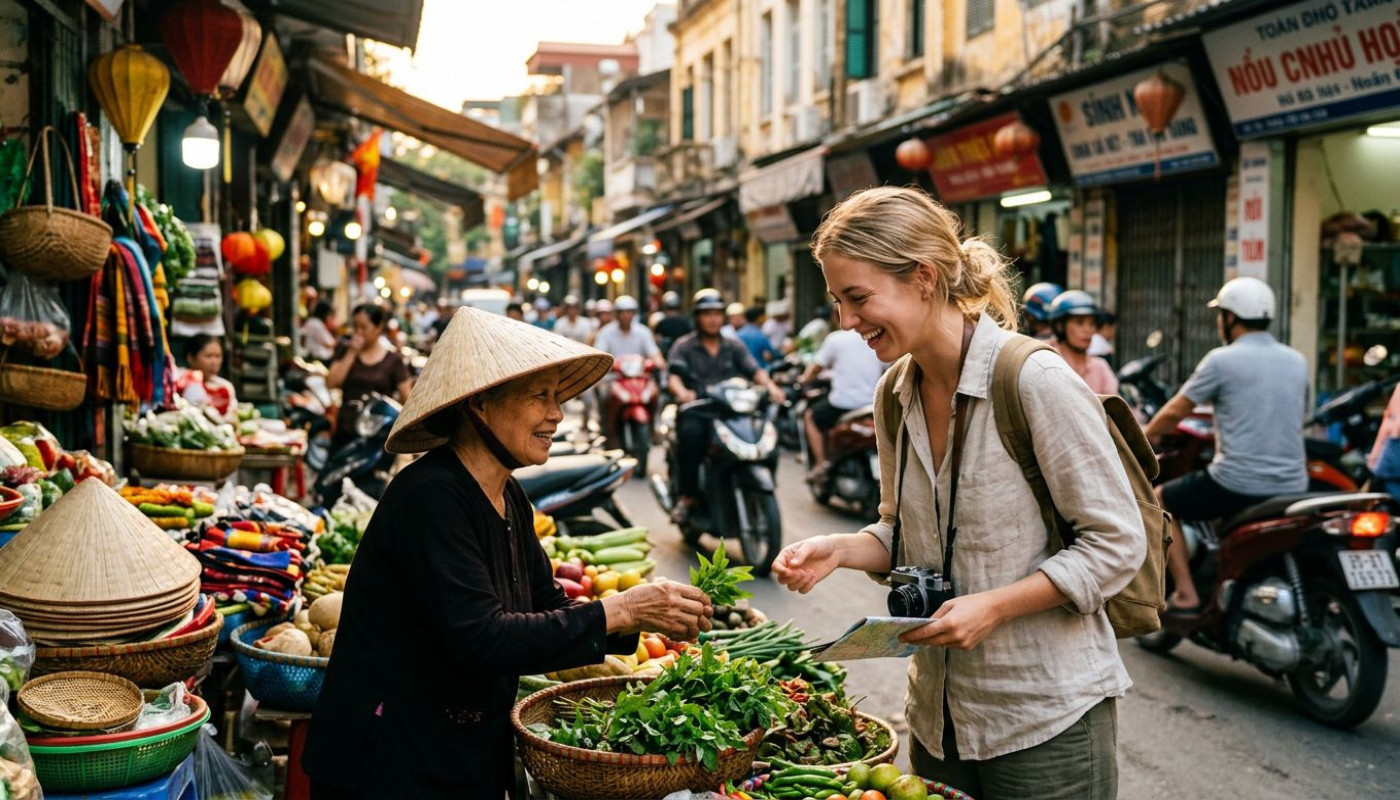
Longer stays can change spending patterns too. Nightly rates often fall on weekly bookings, especially in shoulder season, and travellers who are not constantly “on the move” tend to shop more locally, using markets, bakeries and small restaurants rather than tourist corridors. That is not just a romantic notion; it is how many destinations want visitors to behave as they try to spread economic benefits beyond a few congested zones. The experience becomes less about ticking boxes and more about building a relationship with the place, one coffee shop, one bus line and one familiar route at a time.
Memories form in repetition, not checklisting
Want a trip you can still feel years later? The most enduring travel memories rarely come from the loudest landmark, they come from moments with texture: the corner table you always took at breakfast, the park bench where you people-watched at dusk, the tram ride that stopped feeling confusing. Slow travel intentionally creates those repetitions, and repetition is not boredom when the environment is rich, it is how a destination stops being a backdrop and starts becoming a setting in which you belong, even briefly.
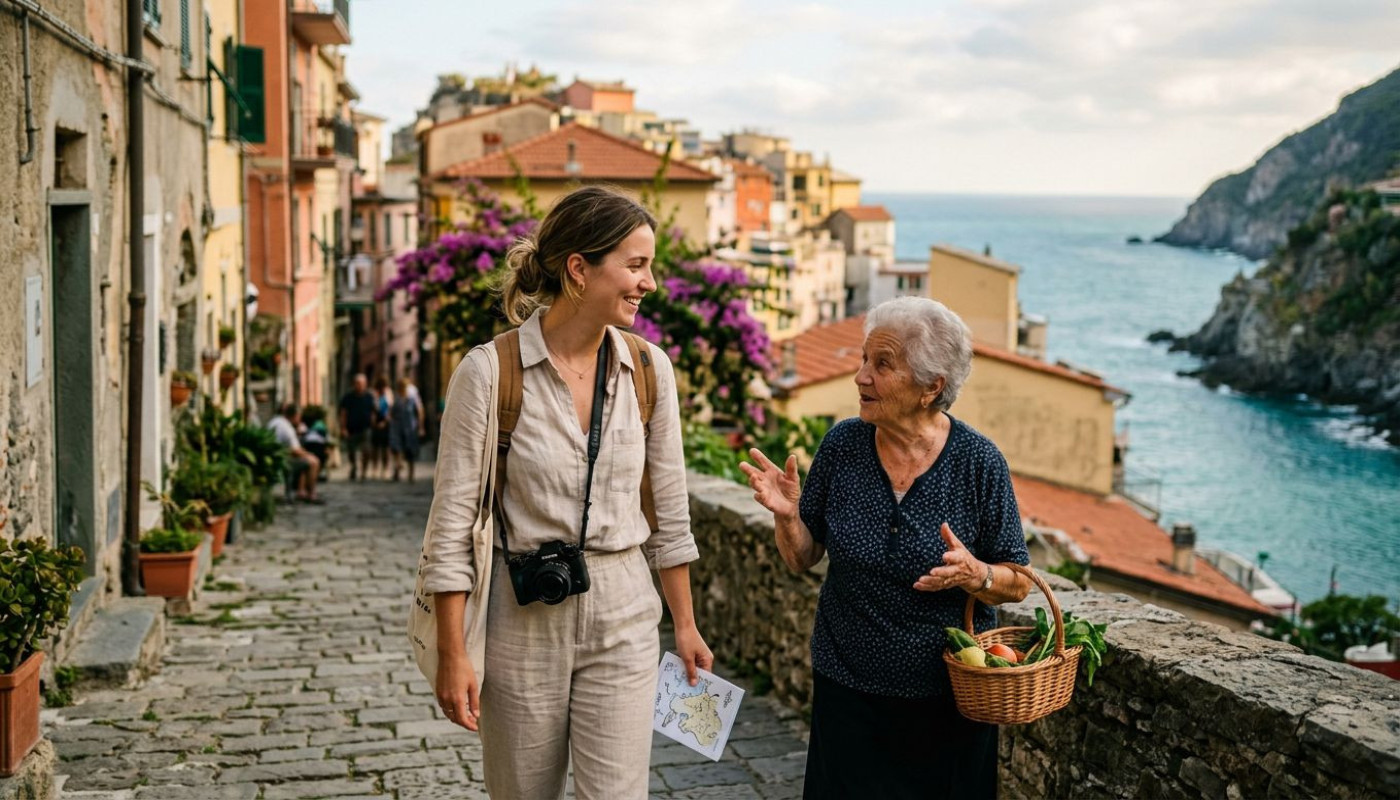
There is also a social dimension that fast itineraries almost always miss. Staying longer increases the chance of real interactions, not just transactions: recognising a shopkeeper, chatting with a guide who has time to go off-script, joining a small group activity where the same faces show up twice. These are the threads that make an itinerary “memorable” in the literal sense, because stories need characters, and in travel, the characters are often the people you meet. It is one reason why walking tours, cooking classes and local volunteering can feel more meaningful on a slower trip, you are not squeezing them between trains, and you are not arriving already exhausted.
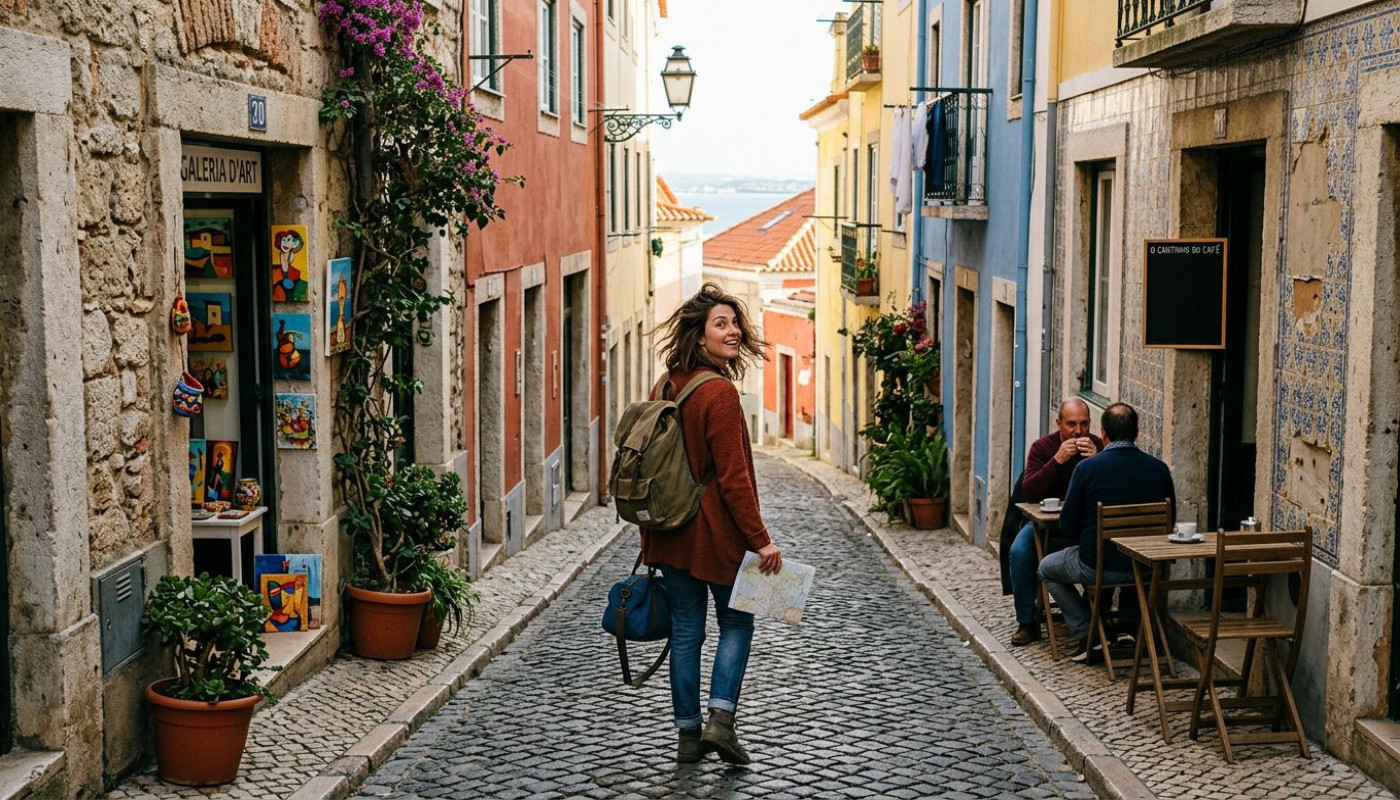
Even the way you move changes what you notice. Walking and cycling compress a city to human scale, and they reveal the in-between spaces that maps and guidebooks ignore: the sound of a market setting up, the rhythm of school runs, the quiet streets that sit one block away from a crowded boulevard. When travel is slow, navigation becomes discovery rather than logistics, and that is how itineraries turn from “routes” into experiences. The goal is not to avoid highlights, it is to contextualise them, so that a famous museum or viewpoint becomes one chapter in a broader narrative rather than the entire plot.
For many travellers, the most powerful shift is psychological. A slower pace reduces the pressure to perform the trip, to document it relentlessly, to treat every day like a production. When there is room to breathe, you can choose to do less, and paradoxically come home with more, because you were present enough to notice what was happening around you, and inside you.
Carbon, crowds and costs: the quiet math
Can slowing down make travel more responsible without feeling like a sacrifice? The environmental arithmetic is increasingly hard to ignore. Aviation remains one of the most carbon-intensive ways to move, and while exact emissions depend on aircraft type, distance, load factor and class of travel, the direction is clear: fewer flights, or fewer segments, generally means less climate impact. Slow travel often implies exactly that, reducing multi-stop itineraries that stack take-offs and landings, then favouring trains, coaches and ferries where they are viable. In Europe, rail has regained market share on several corridors, and night trains are expanding again, partly because travellers want alternatives that feel both practical and meaningful.
Overtourism, too, has become more than a buzzword. From visitor caps at fragile sites to stricter rules on short-term rentals in several major cities, destinations are signalling that volume alone is not the goal. Slow travel fits that shift because it tends to spread demand across time and space: longer stays, off-peak visits, deeper exploration of secondary neighbourhoods and nearby towns. That does not magically solve crowding, but it can reduce pressure on the same handful of photo-op locations that absorb a disproportionate share of footfall, and it can channel money toward businesses that do not sit on the main tourist drag.
The cost equation is subtler. Slow travel can be cheaper, but it is not automatically so; it depends on where you stay and how you book. What it often does is make spending more predictable: fewer expensive transit days, fewer last-minute meals grabbed in a hurry, fewer “one-night” accommodations that carry high cleaning fees. It also reduces the temptation to pay premiums to “save time”, which, on a fast trip, becomes a constant: taxis over buses, priority lines, overpriced central hotels, rushed guided tours. On a slower itinerary, you have the luxury of waiting for the next train, eating where locals eat and choosing experiences because they fit, not because they are nearby at 4 p.m.
There is a final, personal math that travellers increasingly report: burnout. A trip that ends with the need for another vacation is not a bargain, no matter how many cities it included. Slow travel does not guarantee rest, but it is structurally kinder to the body, with fewer early alarms, fewer heavy bags and fewer days spent in transit posture. That matters for families, older travellers, and anyone trying to blend leisure with remote work, a reality that continues to blur the line between “holiday” and “life abroad”.
How to build an itinerary you’ll actually live
Ready to stop planning like a machine? The most effective slow itineraries start with a base, not a list. Choose one primary location for at least four to seven nights, then design a rhythm: one “anchor” activity per day at most, a recurring meal spot, and a couple of flexible half-days for wandering, weather and serendipity. This is not about lowering standards; it is about making space for what travel planners rarely admit exists, the friction of real life. When a museum is closed, a ferry is delayed or a neighbourhood surprises you, the itinerary should bend rather than break.
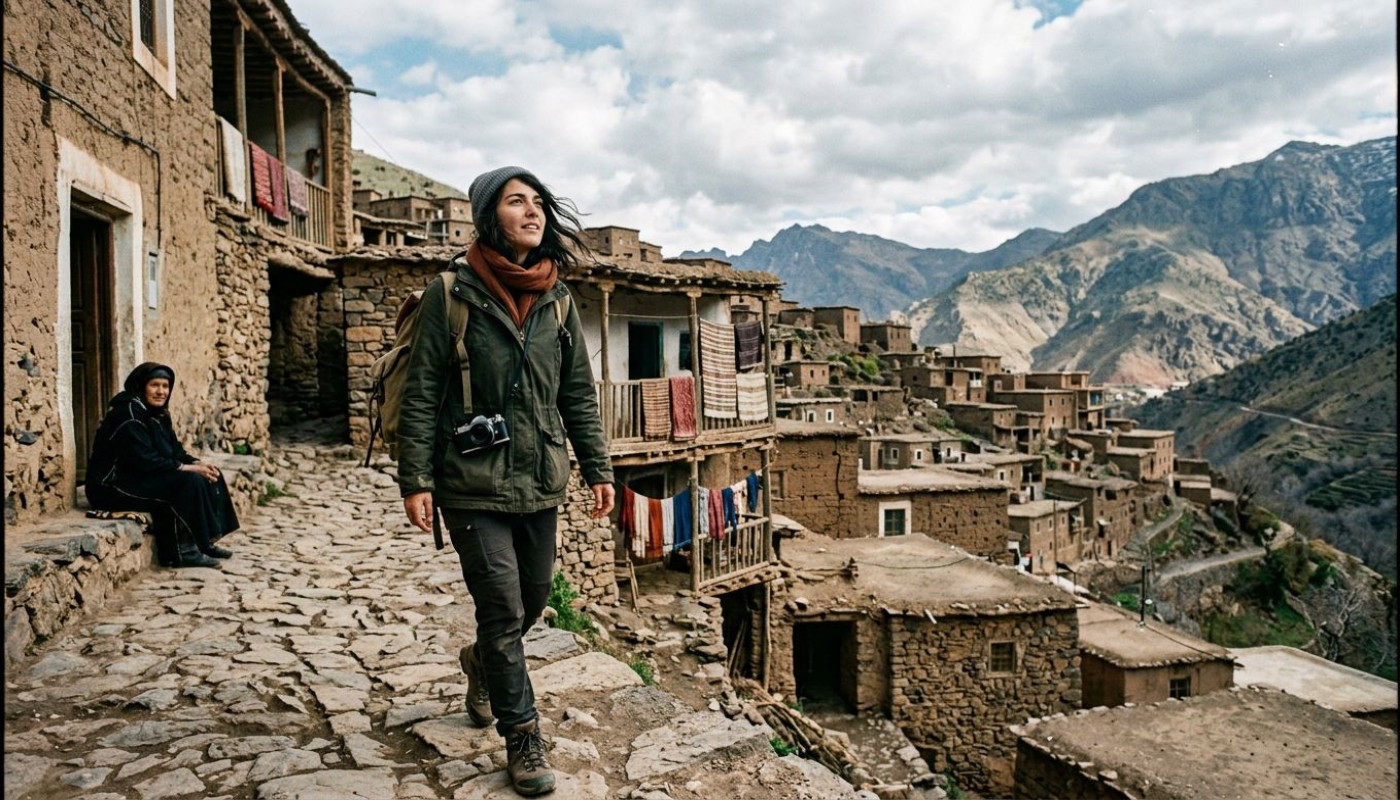
Next comes geography. Pick experiences that cluster naturally, and avoid crossing the city repeatedly for minor gains. If you want culture and food, pair a major museum with a market nearby; if you want nature, commit to a coastal or mountain base and treat towns as excursions, not trophies. This is also where transport choices matter: a rail pass, a regional bus network or even a simple bike rental can turn “getting around” into part of the story. The key is to prevent movement from becoming the main event unless you truly want it to be, as in a scenic train route or a multi-day walk.
Booking strategy changes on slow trips as well. Reserve only what is genuinely scarce: headline restaurants, limited-capacity tours, national parks with timed entry. Leave the rest intentionally open, and build a short list of options for different moods: rainy-day galleries, sunny-day hikes, low-energy evenings and big nights out. Travellers who do this report a higher hit rate, fewer mediocre experiences chosen out of panic, and more time for spontaneous invitations, which are often the moments that transform a trip from good to unforgettable.
Finally, consider the “one extraordinary day” principle. Slow travel is not about refusing excitement; it is about placing it deliberately. A single standout experience, a harbour sail, a remote wildlife trip, a chef’s table, can become the emotional peak of a week, precisely because you are not stacking peaks until they flatten. For travellers looking for curated experiences on the water and a way to see a city from its most iconic vantage point, resources like https://www.sydney-spirit.com can be a useful starting point, especially when you want a day that feels special without turning the whole itinerary into a sprint.
Before you book: the practical slow-travel checklist
Plan less, but plan smarter. Start with your calendar and protect downtime, then choose a base that reduces daily transit, and check local transport options before you commit to accommodation. Set a realistic budget by separating fixed costs, such as lodging and long-distance transport, from “in-country” spending, and remember that longer stays often justify small upgrades, like a more central location, because you will use it more.
Reserve only what will sell out, and look up local discounts, city passes and public-transport deals, as well as any regional or national schemes that support sustainable travel choices. If you are working remotely, confirm Wi‑Fi and quiet hours, and if you are travelling with family, prioritise routines that keep everyone rested. The best slow itinerary is the one you can actually live.
On the same subject